Insights
Why Grip Strength Is a Biological Time Machine
Why Grip Strength Is a Biological Time Machine
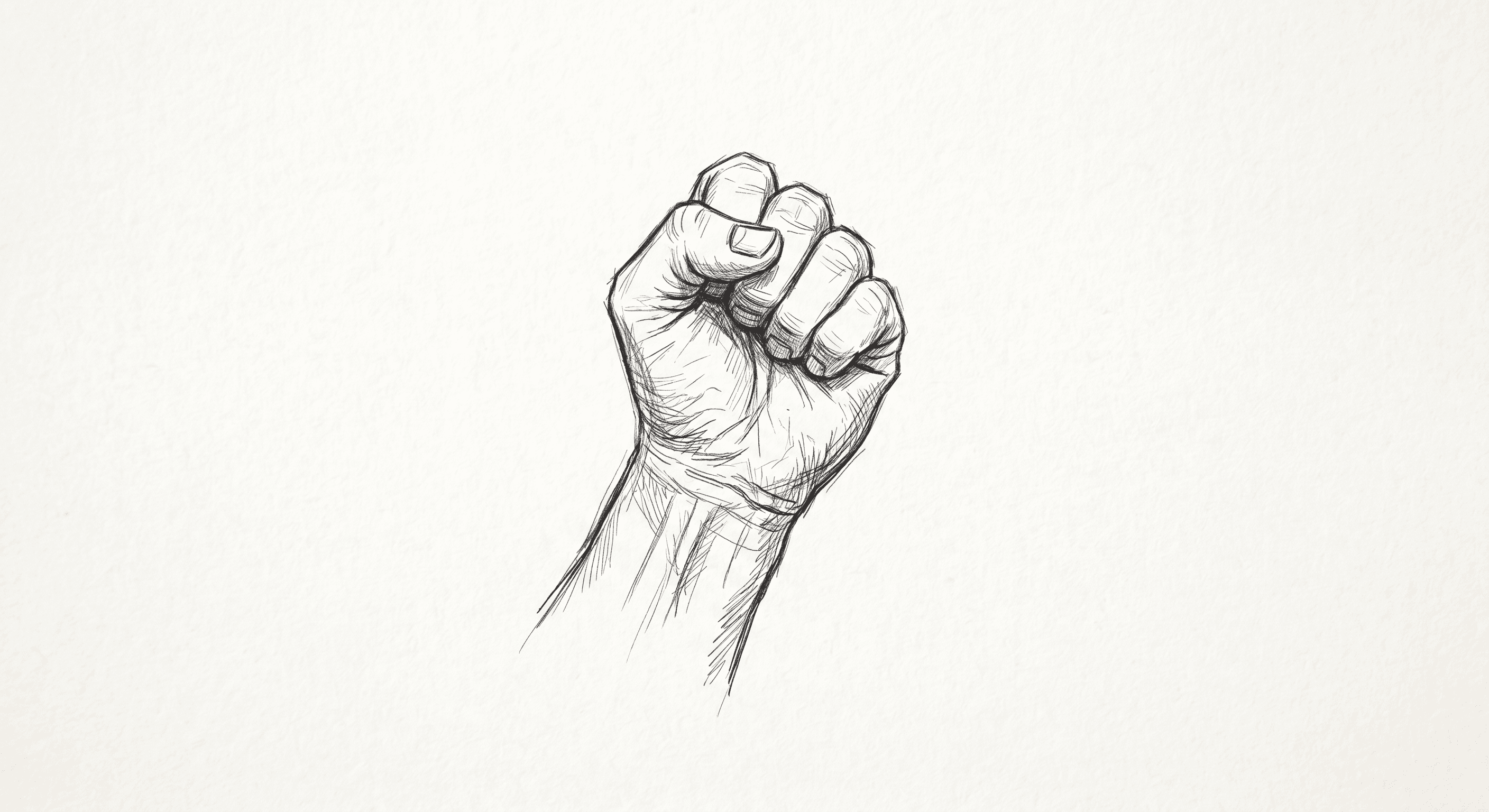
Your grip is a biological time machine. It doesn't just show how strong your hands are—it predicts exactly how you are going to age, and ultimately, it serves as a powerful statistical predictor of mortality.
Your grip is a biological time machine. It doesn't just show how strong your hands are—it predicts exactly how you are going to age, and ultimately, it serves as a powerful statistical predictor of mortality.
Grip strength is a simple measure of force production and has been associated in research with broader health and functional outcomes.
If your hands are weak, your cardiovascular system is likely struggling behind the scenes.
Standard medicine relies heavily on blood pressure and cholesterol numbers to guess your long-term cardiovascular risk. While those metrics matter, large-scale clinical data reveals a startling truth: lower grip strength has been associated with poorer health outcomes in population studies. It is the absolute proxy of vitality. Most people think grip is just about opening a tight jar or holding a heavy dumbbell. Longevity engineers know it is a direct diagnostic window into your neurological software and systemic cellular decay.
Here is the exact blueprint to audit your grip, rewrite your biological timeline, and move from Passive Awareness to Efficient Thinking.
The Strap Illusion: A V12 Engine on a Fragile Chassis
We recently had an athlete come into the facility. On paper, he looked indestructible: massive back, huge arms, and the ability to T-Bar Row 100 kilograms with ease.
But there was a catch—he did it all using heavy lifting straps.
He possessed an impressive aesthetic physique. However, the moment we stripped away the artificial canvas straps and placed his raw hands on a clinical dynamometer, his true biology was exposed. His grip score sat in the bottom 40% for his age demographic.
His mirror muscles were lying to him.
The Structural Reality: His physicality looked like a high-performance V12 sports car, but his internal neurological software was completely glitching.
Using straps can help with specific lifts, but relying on them all the time may hide a grip-strength limitation worth training directly.
Grip training supports practical tasks and complements whole-body strength; it should be progressed safely rather than treated as a diagnostic test.
Strap Users vs. Longevity Engineers
In the longevity game, your hands are the ultimate truth-tellers. They strip away the vanity of a gym-bro physique and reveal exactly how fast your system is aging.
True physical resilience requires moving away from superficial shortcuts and understanding the three deep-tier realities of hand strength.
The Biological Marker | The Passive Gym-Goer Perspective | The Longevity Engineer Perspective |
1. Neurological Software | Views grip as a minor, isolated forearm muscle asset. | Recognizes it as a massive nervous system command requiring elite motor unit recruitment. |
2. Cardiovascular Proxy | Uses lifting straps to protect their ego and hit higher numbers on pull day. | Uses raw grip tension to evaluate heart muscle density and vascular resilience. |
3. The Sarcopenia Canary | Assumes muscle wasting and frailty only affect the lower body in old age. | Understands that systemic physical decline shows up in the hands first. |
1. The Neurological Software Check
Grip is not simply a forearm muscle asset; it is a direct measurement of your central nervous system’s ability to recruit power. Squeezing an object with maximum force requires your brain to send an intense, high-velocity electrical signal from your motor cortex down to your fingertips.
When grip strength plummets, it is rarely a localized muscular failure—it is a system software problem. It means your brain’s ability to transmit signals to your extremities is actively degrading. If your nervous system cannot properly fire up your hands, it cannot effectively activate your deep core or your structural stability networks either.
2. The Myofascial Link to the Heart
There is a direct fascial and neurological pathway connecting a strong grip to a resilient cardiovascular system. Hand tension directly influences immediate heart function, including heart rate variability and blood pressure management.
Your hands are not an isolated endpoint; they are an active proxy for heart muscle density and vascular compliance. This is precisely why we closely track upper-body structural suspension markers. If you cannot maintain tension cleanly, your cardiovascular system lacks the baseline pressure resilience it needs under stress.
3. The Sarcopenia Canary
Sarcopenia—the predatory loss of muscle mass, strength, and physical autonomy—begins quietly after the age of 30 and accelerates rapidly past age 50. Crucially, it does not attack your legs or your larger muscle groups first. It shows up in your hands.
Grip and hanging capacity can be useful training markers, but they should be interpreted alongside the wider VITRO assessment and individual ability.
Stop Guessing. Start Engineering.
You cannot manage what you do not measure. It is time to stop guessing about your timeline and start deliberately engineering your long-term survival. If you are ready to stop playing passive defense against physical decay, the action steps are immediate:
Decompress and Reset: Download the 7-Day Free Vitro Longevity Protocol. This is a zero-fluff, data-driven baseline routine required to build your functional reserve, fix your structural software, and restore your raw physical integrity from the ground up.
Measure Your Starting Point: Step onto the floor at the upcoming Vitro Vitality Games. We measure grip strength, aerobic capacity and other practical qualities across ten standardised stations to produce a Vitality Score and a VITRO Vitality Age fitness benchmark.
Stop training exclusively for the mirror. Start training for the century.
Published by VITRO Vitality Games. Educational fitness information only — not medical advice, diagnosis or treatment. If you have a health condition or concern, seek advice from a qualified healthcare professional.
Latest Blogs


Insights
Why Grip Strength Is a Biological Time Machine
Why Grip Strength Is a Biological Time Machine
Your grip is a biological time machine. It doesn't just show how strong your hands are—it predicts exactly how you are going to age, and ultimately, it serves as a powerful statistical predictor of mortality.
Your grip is a biological time machine. It doesn't just show how strong your hands are—it predicts exactly how you are going to age, and ultimately, it serves as a powerful statistical predictor of mortality.
Grip strength is a simple measure of force production and has been associated in research with broader health and functional outcomes.
If your hands are weak, your cardiovascular system is likely struggling behind the scenes.
Standard medicine relies heavily on blood pressure and cholesterol numbers to guess your long-term cardiovascular risk. While those metrics matter, large-scale clinical data reveals a startling truth: lower grip strength has been associated with poorer health outcomes in population studies. It is the absolute proxy of vitality. Most people think grip is just about opening a tight jar or holding a heavy dumbbell. Longevity engineers know it is a direct diagnostic window into your neurological software and systemic cellular decay.
Here is the exact blueprint to audit your grip, rewrite your biological timeline, and move from Passive Awareness to Efficient Thinking.
The Strap Illusion: A V12 Engine on a Fragile Chassis
We recently had an athlete come into the facility. On paper, he looked indestructible: massive back, huge arms, and the ability to T-Bar Row 100 kilograms with ease.
But there was a catch—he did it all using heavy lifting straps.
He possessed an impressive aesthetic physique. However, the moment we stripped away the artificial canvas straps and placed his raw hands on a clinical dynamometer, his true biology was exposed. His grip score sat in the bottom 40% for his age demographic.
His mirror muscles were lying to him.
The Structural Reality: His physicality looked like a high-performance V12 sports car, but his internal neurological software was completely glitching.
Using straps can help with specific lifts, but relying on them all the time may hide a grip-strength limitation worth training directly.
Grip training supports practical tasks and complements whole-body strength; it should be progressed safely rather than treated as a diagnostic test.
Strap Users vs. Longevity Engineers
In the longevity game, your hands are the ultimate truth-tellers. They strip away the vanity of a gym-bro physique and reveal exactly how fast your system is aging.
True physical resilience requires moving away from superficial shortcuts and understanding the three deep-tier realities of hand strength.
The Biological Marker | The Passive Gym-Goer Perspective | The Longevity Engineer Perspective |
1. Neurological Software | Views grip as a minor, isolated forearm muscle asset. | Recognizes it as a massive nervous system command requiring elite motor unit recruitment. |
2. Cardiovascular Proxy | Uses lifting straps to protect their ego and hit higher numbers on pull day. | Uses raw grip tension to evaluate heart muscle density and vascular resilience. |
3. The Sarcopenia Canary | Assumes muscle wasting and frailty only affect the lower body in old age. | Understands that systemic physical decline shows up in the hands first. |
1. The Neurological Software Check
Grip is not simply a forearm muscle asset; it is a direct measurement of your central nervous system’s ability to recruit power. Squeezing an object with maximum force requires your brain to send an intense, high-velocity electrical signal from your motor cortex down to your fingertips.
When grip strength plummets, it is rarely a localized muscular failure—it is a system software problem. It means your brain’s ability to transmit signals to your extremities is actively degrading. If your nervous system cannot properly fire up your hands, it cannot effectively activate your deep core or your structural stability networks either.
2. The Myofascial Link to the Heart
There is a direct fascial and neurological pathway connecting a strong grip to a resilient cardiovascular system. Hand tension directly influences immediate heart function, including heart rate variability and blood pressure management.
Your hands are not an isolated endpoint; they are an active proxy for heart muscle density and vascular compliance. This is precisely why we closely track upper-body structural suspension markers. If you cannot maintain tension cleanly, your cardiovascular system lacks the baseline pressure resilience it needs under stress.
3. The Sarcopenia Canary
Sarcopenia—the predatory loss of muscle mass, strength, and physical autonomy—begins quietly after the age of 30 and accelerates rapidly past age 50. Crucially, it does not attack your legs or your larger muscle groups first. It shows up in your hands.
Grip and hanging capacity can be useful training markers, but they should be interpreted alongside the wider VITRO assessment and individual ability.
Stop Guessing. Start Engineering.
You cannot manage what you do not measure. It is time to stop guessing about your timeline and start deliberately engineering your long-term survival. If you are ready to stop playing passive defense against physical decay, the action steps are immediate:
Decompress and Reset: Download the 7-Day Free Vitro Longevity Protocol. This is a zero-fluff, data-driven baseline routine required to build your functional reserve, fix your structural software, and restore your raw physical integrity from the ground up.
Measure Your Starting Point: Step onto the floor at the upcoming Vitro Vitality Games. We measure grip strength, aerobic capacity and other practical qualities across ten standardised stations to produce a Vitality Score and a VITRO Vitality Age fitness benchmark.
Stop training exclusively for the mirror. Start training for the century.
Published by VITRO Vitality Games. Educational fitness information only — not medical advice, diagnosis or treatment. If you have a health condition or concern, seek advice from a qualified healthcare professional.
Latest Blogs
Insights
Why Grip Strength Is a Biological Time Machine
Why Grip Strength Is a Biological Time Machine
Your grip is a biological time machine. It doesn't just show how strong your hands are—it predicts exactly how you are going to age, and ultimately, it serves as a powerful statistical predictor of mortality.
Your grip is a biological time machine. It doesn't just show how strong your hands are—it predicts exactly how you are going to age, and ultimately, it serves as a powerful statistical predictor of mortality.
Grip strength is a simple measure of force production and has been associated in research with broader health and functional outcomes.
If your hands are weak, your cardiovascular system is likely struggling behind the scenes.
Standard medicine relies heavily on blood pressure and cholesterol numbers to guess your long-term cardiovascular risk. While those metrics matter, large-scale clinical data reveals a startling truth: lower grip strength has been associated with poorer health outcomes in population studies. It is the absolute proxy of vitality. Most people think grip is just about opening a tight jar or holding a heavy dumbbell. Longevity engineers know it is a direct diagnostic window into your neurological software and systemic cellular decay.
Here is the exact blueprint to audit your grip, rewrite your biological timeline, and move from Passive Awareness to Efficient Thinking.
The Strap Illusion: A V12 Engine on a Fragile Chassis
We recently had an athlete come into the facility. On paper, he looked indestructible: massive back, huge arms, and the ability to T-Bar Row 100 kilograms with ease.
But there was a catch—he did it all using heavy lifting straps.
He possessed an impressive aesthetic physique. However, the moment we stripped away the artificial canvas straps and placed his raw hands on a clinical dynamometer, his true biology was exposed. His grip score sat in the bottom 40% for his age demographic.
His mirror muscles were lying to him.
The Structural Reality: His physicality looked like a high-performance V12 sports car, but his internal neurological software was completely glitching.
Using straps can help with specific lifts, but relying on them all the time may hide a grip-strength limitation worth training directly.
Grip training supports practical tasks and complements whole-body strength; it should be progressed safely rather than treated as a diagnostic test.
Strap Users vs. Longevity Engineers
In the longevity game, your hands are the ultimate truth-tellers. They strip away the vanity of a gym-bro physique and reveal exactly how fast your system is aging.
True physical resilience requires moving away from superficial shortcuts and understanding the three deep-tier realities of hand strength.
The Biological Marker | The Passive Gym-Goer Perspective | The Longevity Engineer Perspective |
1. Neurological Software | Views grip as a minor, isolated forearm muscle asset. | Recognizes it as a massive nervous system command requiring elite motor unit recruitment. |
2. Cardiovascular Proxy | Uses lifting straps to protect their ego and hit higher numbers on pull day. | Uses raw grip tension to evaluate heart muscle density and vascular resilience. |
3. The Sarcopenia Canary | Assumes muscle wasting and frailty only affect the lower body in old age. | Understands that systemic physical decline shows up in the hands first. |
1. The Neurological Software Check
Grip is not simply a forearm muscle asset; it is a direct measurement of your central nervous system’s ability to recruit power. Squeezing an object with maximum force requires your brain to send an intense, high-velocity electrical signal from your motor cortex down to your fingertips.
When grip strength plummets, it is rarely a localized muscular failure—it is a system software problem. It means your brain’s ability to transmit signals to your extremities is actively degrading. If your nervous system cannot properly fire up your hands, it cannot effectively activate your deep core or your structural stability networks either.
2. The Myofascial Link to the Heart
There is a direct fascial and neurological pathway connecting a strong grip to a resilient cardiovascular system. Hand tension directly influences immediate heart function, including heart rate variability and blood pressure management.
Your hands are not an isolated endpoint; they are an active proxy for heart muscle density and vascular compliance. This is precisely why we closely track upper-body structural suspension markers. If you cannot maintain tension cleanly, your cardiovascular system lacks the baseline pressure resilience it needs under stress.
3. The Sarcopenia Canary
Sarcopenia—the predatory loss of muscle mass, strength, and physical autonomy—begins quietly after the age of 30 and accelerates rapidly past age 50. Crucially, it does not attack your legs or your larger muscle groups first. It shows up in your hands.
Grip and hanging capacity can be useful training markers, but they should be interpreted alongside the wider VITRO assessment and individual ability.
Stop Guessing. Start Engineering.
You cannot manage what you do not measure. It is time to stop guessing about your timeline and start deliberately engineering your long-term survival. If you are ready to stop playing passive defense against physical decay, the action steps are immediate:
Decompress and Reset: Download the 7-Day Free Vitro Longevity Protocol. This is a zero-fluff, data-driven baseline routine required to build your functional reserve, fix your structural software, and restore your raw physical integrity from the ground up.
Measure Your Starting Point: Step onto the floor at the upcoming Vitro Vitality Games. We measure grip strength, aerobic capacity and other practical qualities across ten standardised stations to produce a Vitality Score and a VITRO Vitality Age fitness benchmark.
Stop training exclusively for the mirror. Start training for the century.
Published by VITRO Vitality Games. Educational fitness information only — not medical advice, diagnosis or treatment. If you have a health condition or concern, seek advice from a qualified healthcare professional.