Insights
Why Measuring Your Fitness Matters More Than Ever
Why Measuring Your Fitness Matters More Than Ever
Most people train, move and exercise without ever knowing how their body is actually performing. A structured fitness assessment gives you a clear benchmark across strength, endurance, control and cardiovascular health, helping you understand where you stand today and what to improve next.
Most people train, move and exercise without ever knowing how their body is actually performing. A structured fitness assessment gives you a clear benchmark across strength, endurance, control and cardiovascular health, helping you understand where you stand today and what to improve next.
Fitness Should Be Measured, Not Guessed
Many people train consistently without ever knowing what their fitness actually looks like. They may feel stronger, move better or recover faster, but without clear testing, progress can be difficult to understand.
A structured fitness assessment removes the guesswork. It gives you measurable data across key areas of performance, including strength, endurance, control and cardiovascular health. Instead of relying on how you feel, you have a clear starting point and a result you can build from.
A Score Creates A Clear Benchmark
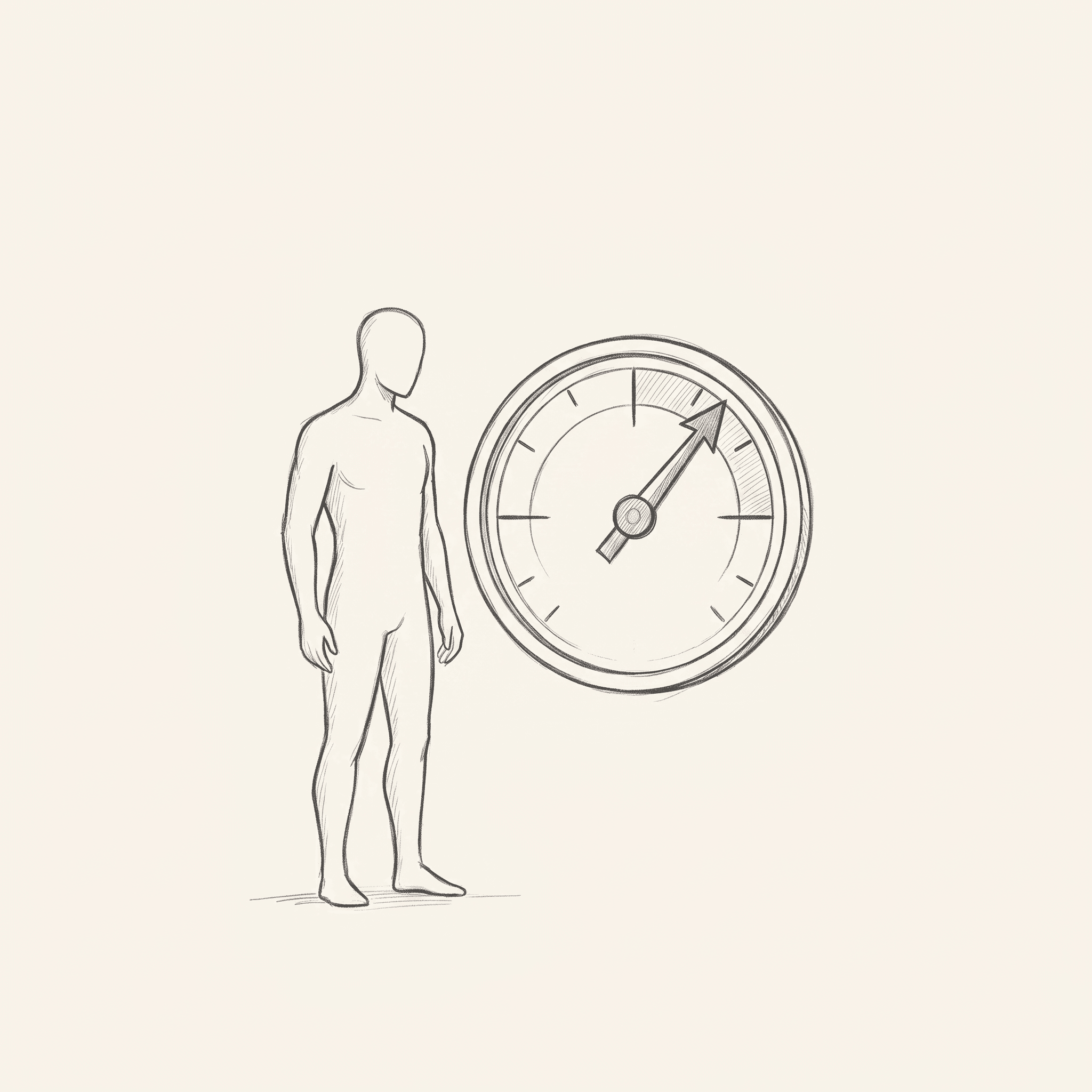
One of the biggest benefits of measuring fitness is having a benchmark. A score gives you something objective to compare against, whether you are retesting in a few months, training for an event or working towards better long term health.
This is where a fitness assessment becomes more than a one off test. It becomes a reference point. You can see where you perform well, where you need more focus and how your body changes over time.
Real Progress Needs Real Data
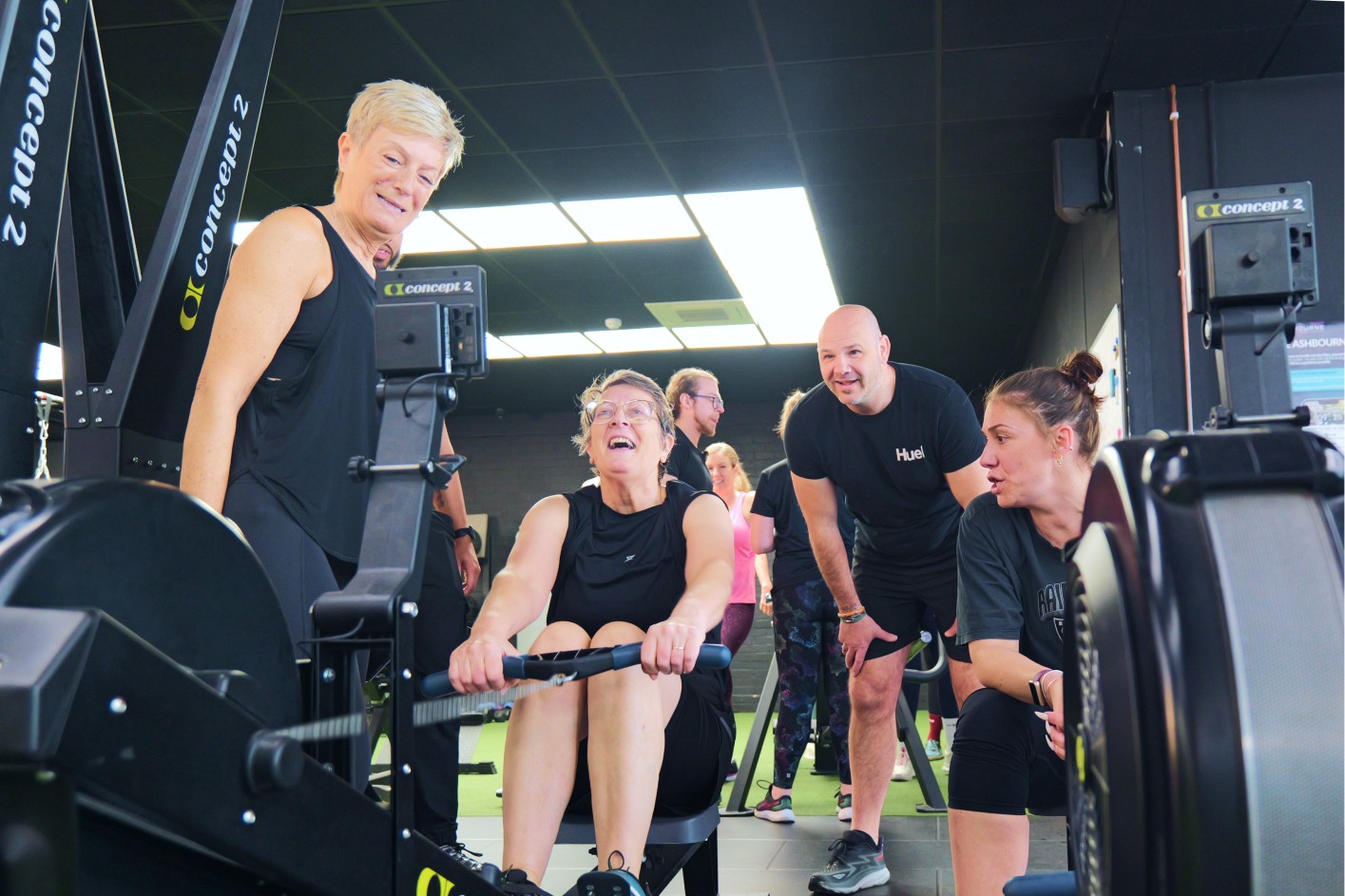
Progress is easier to make when you know what you are trying to improve. Without data, training can become repetitive and unfocused. You may be working hard, but not necessarily working on the areas that need the most attention.
By measuring different elements of performance, a fitness assessment helps create a clearer direction. If endurance is strong but strength is lower, your training can reflect that. If recovery or control needs work, you can adjust your approach with purpose.

Long Term Fitness Is About More Than Appearance
Fitness is often judged by appearance, but how the body looks does not always reflect how well it performs. Long term health depends on many factors, including cardiovascular capacity, muscular endurance, mobility, coordination and recovery.
Measuring these areas gives a more complete picture. It helps shift the focus from short term aesthetics to long term capability. The result is a smarter, more useful way to understand fitness and a better foundation for lasting improvement..
Published by VITRO Vitality Games. Educational fitness information only — not medical advice, diagnosis or treatment. If you have a health condition or concern, seek advice from a qualified healthcare professional.
Latest Blogs



Insights
Why Measuring Your Fitness Matters More Than Ever
Why Measuring Your Fitness Matters More Than Ever
Most people train, move and exercise without ever knowing how their body is actually performing. A structured fitness assessment gives you a clear benchmark across strength, endurance, control and cardiovascular health, helping you understand where you stand today and what to improve next.
Most people train, move and exercise without ever knowing how their body is actually performing. A structured fitness assessment gives you a clear benchmark across strength, endurance, control and cardiovascular health, helping you understand where you stand today and what to improve next.
Fitness Should Be Measured, Not Guessed
Many people train consistently without ever knowing what their fitness actually looks like. They may feel stronger, move better or recover faster, but without clear testing, progress can be difficult to understand.
A structured fitness assessment removes the guesswork. It gives you measurable data across key areas of performance, including strength, endurance, control and cardiovascular health. Instead of relying on how you feel, you have a clear starting point and a result you can build from.
A Score Creates A Clear Benchmark
One of the biggest benefits of measuring fitness is having a benchmark. A score gives you something objective to compare against, whether you are retesting in a few months, training for an event or working towards better long term health.
This is where a fitness assessment becomes more than a one off test. It becomes a reference point. You can see where you perform well, where you need more focus and how your body changes over time.
Real Progress Needs Real Data
Progress is easier to make when you know what you are trying to improve. Without data, training can become repetitive and unfocused. You may be working hard, but not necessarily working on the areas that need the most attention.
By measuring different elements of performance, a fitness assessment helps create a clearer direction. If endurance is strong but strength is lower, your training can reflect that. If recovery or control needs work, you can adjust your approach with purpose.
Long Term Fitness Is About More Than Appearance
Fitness is often judged by appearance, but how the body looks does not always reflect how well it performs. Long term health depends on many factors, including cardiovascular capacity, muscular endurance, mobility, coordination and recovery.
Measuring these areas gives a more complete picture. It helps shift the focus from short term aesthetics to long term capability. The result is a smarter, more useful way to understand fitness and a better foundation for lasting improvement..
Published by VITRO Vitality Games. Educational fitness information only — not medical advice, diagnosis or treatment. If you have a health condition or concern, seek advice from a qualified healthcare professional.
Latest Blogs
Insights
Why Measuring Your Fitness Matters More Than Ever
Why Measuring Your Fitness Matters More Than Ever
Most people train, move and exercise without ever knowing how their body is actually performing. A structured fitness assessment gives you a clear benchmark across strength, endurance, control and cardiovascular health, helping you understand where you stand today and what to improve next.
Most people train, move and exercise without ever knowing how their body is actually performing. A structured fitness assessment gives you a clear benchmark across strength, endurance, control and cardiovascular health, helping you understand where you stand today and what to improve next.
Fitness Should Be Measured, Not Guessed
Many people train consistently without ever knowing what their fitness actually looks like. They may feel stronger, move better or recover faster, but without clear testing, progress can be difficult to understand.
A structured fitness assessment removes the guesswork. It gives you measurable data across key areas of performance, including strength, endurance, control and cardiovascular health. Instead of relying on how you feel, you have a clear starting point and a result you can build from.
A Score Creates A Clear Benchmark
One of the biggest benefits of measuring fitness is having a benchmark. A score gives you something objective to compare against, whether you are retesting in a few months, training for an event or working towards better long term health.
This is where a fitness assessment becomes more than a one off test. It becomes a reference point. You can see where you perform well, where you need more focus and how your body changes over time.
Real Progress Needs Real Data
Progress is easier to make when you know what you are trying to improve. Without data, training can become repetitive and unfocused. You may be working hard, but not necessarily working on the areas that need the most attention.
By measuring different elements of performance, a fitness assessment helps create a clearer direction. If endurance is strong but strength is lower, your training can reflect that. If recovery or control needs work, you can adjust your approach with purpose.
Long Term Fitness Is About More Than Appearance
Fitness is often judged by appearance, but how the body looks does not always reflect how well it performs. Long term health depends on many factors, including cardiovascular capacity, muscular endurance, mobility, coordination and recovery.
Measuring these areas gives a more complete picture. It helps shift the focus from short term aesthetics to long term capability. The result is a smarter, more useful way to understand fitness and a better foundation for lasting improvement..
Published by VITRO Vitality Games. Educational fitness information only — not medical advice, diagnosis or treatment. If you have a health condition or concern, seek advice from a qualified healthcare professional.