Insights
The Control As Neurological Software: Why Balance Matters For Longevity
The Control As Neurological Software: Why Balance Matters For Longevity
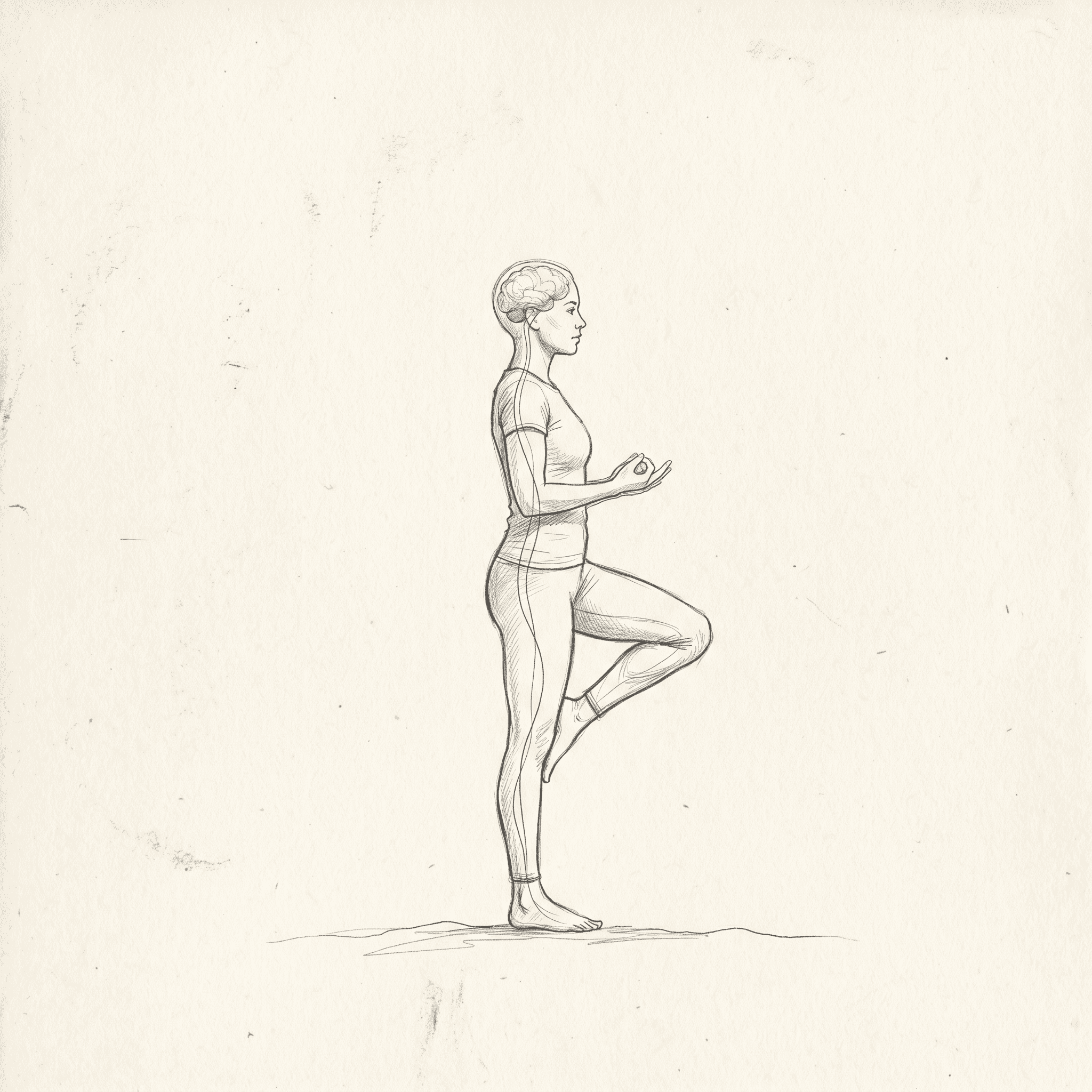
A powerful engine and strong armour are only useful if the software controlling them works properly. In the Vitro Blueprint, control is your neurological software. It is the system that keeps your body balanced, coordinated and safe under pressure. Strength gives you power. Endurance gives you capacity. Control makes sure both can be used intelligently.
A powerful engine and strong armour are only useful if the software controlling them works properly. In the Vitro Blueprint, control is your neurological software. It is the system that keeps your body balanced, coordinated and safe under pressure. Strength gives you power. Endurance gives you capacity. Control makes sure both can be used intelligently.
1. Control Is The Link Between Strength And Safety
You can have a strong heart and powerful muscles, but if your balance and coordination are poor, that physical capacity becomes harder to use safely.
Control is the bridge between strength and real world movement. It allows the body to stabilise, react, adjust and stay organised when the environment changes. Every step, turn, lift, climb and landing relies on your nervous system making fast decisions.
This is why balance should not be treated as an afterthought. The National Institute on Aging explains that falls can be especially dangerous for older adults, often leading to fractures, hospitalisation and disability. Balance and stability training are part of protecting the body before those risks become obvious.
In the Vitro Blueprint, control is the software that keeps the hardware useful. Your strength is only as valuable as your ability to apply it safely.
2. Longevity Is A Neurological Game
Longevity is not just about muscle, heart rate or oxygen output. It is also about how well your brain and body communicate.
Balance, coordination and spatial awareness are all neurological skills. They depend on sensory input, muscular response and the brain’s ability to process movement in real time.
The cerebellum plays a major role in this system. It helps coordinate movement, posture and balance, making it one of the key areas involved in keeping your body calibrated. The Cleveland Clinic overview of the cerebellum explains that the cerebellum helps manage movement, balance and coordination.
When people stop challenging balance, the system becomes less sharp. Like strength or endurance, control responds to training. If you do not use it, you lose it.
This is why single leg stability, controlled movement and inverted work matter. They force the nervous system to stay alert, responsive and connected to the body.
3. Falls Are A Major Threat To Independence
Falls are one of the clearest examples of why control matters. A fall in later life can change everything, from confidence and mobility to independence and long term health.
The CDC states that falls are the leading cause of injury for adults aged 65 and older, with more than 14 million older adults reporting a fall every year. The CDC also reports that falls among adults 65 and older caused more than 38,000 deaths in 2021, making them the leading cause of injury death for that age group.
This is why balance is not a soft metric. It is a survival metric.
Training control helps sharpen the systems that protect you when something unexpected happens. A slip, trip, awkward step or sudden change of direction all require fast coordination. The better your software, the better your body can respond before a mistake becomes an injury.
4. The Goal: Keep Your Software Calibrated
The goal of the control pillar is to keep your nervous system as sharp as the body it controls.
At Vitality Games, control is tested through movements that challenge balance, stability and mind body connection. That can include single leg stability, controlled core positions and inverted control such as handstand progressions.
These tests are not party tricks. They reveal whether your body can organise itself under tension, uncertainty and changing positions.
Balance training is widely recommended as part of fall prevention. Johns Hopkins Medicine outlines balance and strength exercises for fall prevention, including simple progressions that help people improve stability and confidence.
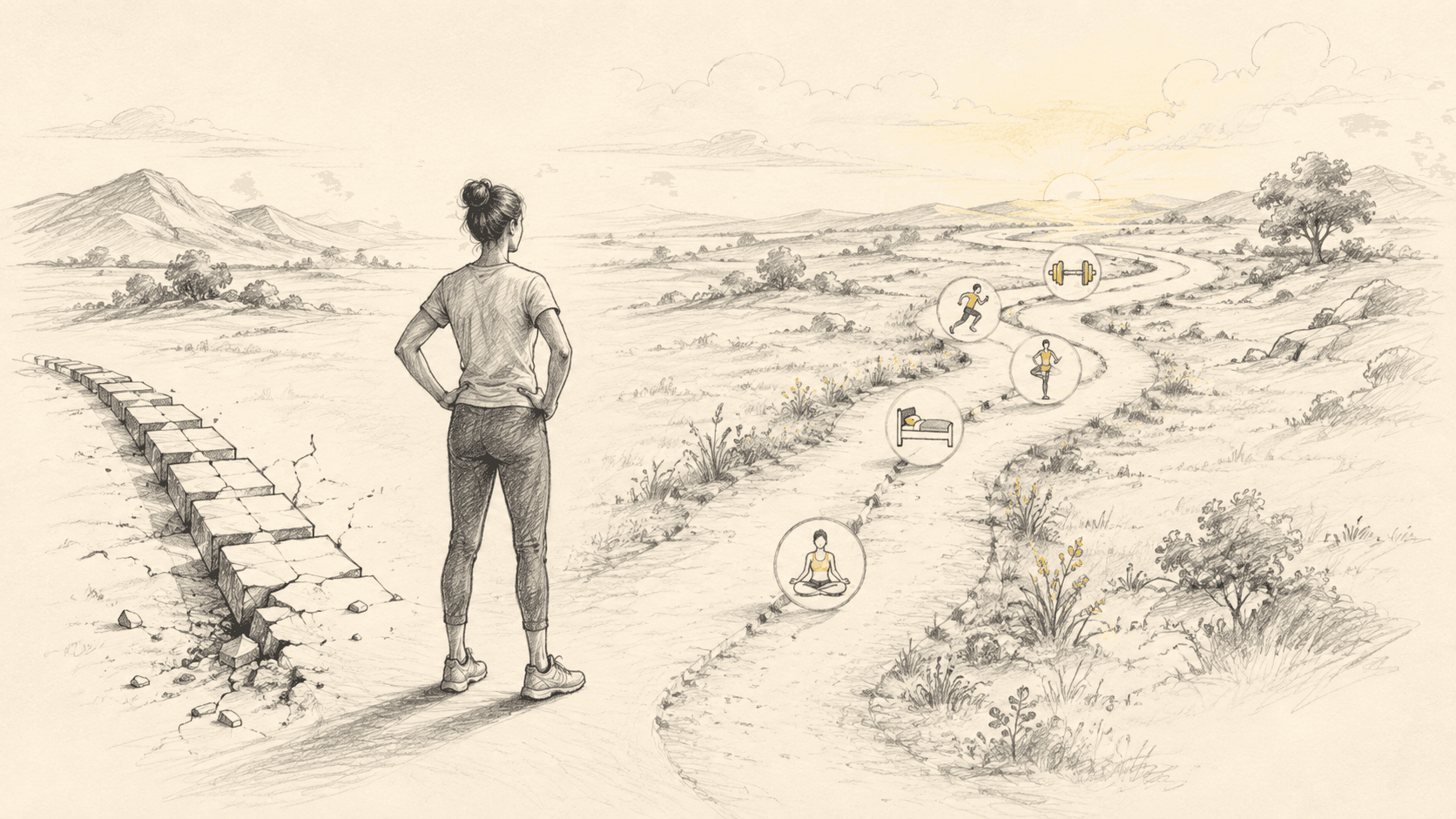
The Vitro mindset is simple. Do not wait until balance disappears before training it. Keep the software updated. Keep the nervous system calibrated. Build a body that can move with strength, control and confidence for decades to come.
Published by VITRO Vitality Games. Educational fitness information only — not medical advice, diagnosis or treatment. If you have a health condition or concern, seek advice from a qualified healthcare professional.
Latest Blogs


Insights
The Control As Neurological Software: Why Balance Matters For Longevity
The Control As Neurological Software: Why Balance Matters For Longevity
A powerful engine and strong armour are only useful if the software controlling them works properly. In the Vitro Blueprint, control is your neurological software. It is the system that keeps your body balanced, coordinated and safe under pressure. Strength gives you power. Endurance gives you capacity. Control makes sure both can be used intelligently.
A powerful engine and strong armour are only useful if the software controlling them works properly. In the Vitro Blueprint, control is your neurological software. It is the system that keeps your body balanced, coordinated and safe under pressure. Strength gives you power. Endurance gives you capacity. Control makes sure both can be used intelligently.
1. Control Is The Link Between Strength And Safety
You can have a strong heart and powerful muscles, but if your balance and coordination are poor, that physical capacity becomes harder to use safely.
Control is the bridge between strength and real world movement. It allows the body to stabilise, react, adjust and stay organised when the environment changes. Every step, turn, lift, climb and landing relies on your nervous system making fast decisions.
This is why balance should not be treated as an afterthought. The National Institute on Aging explains that falls can be especially dangerous for older adults, often leading to fractures, hospitalisation and disability. Balance and stability training are part of protecting the body before those risks become obvious.
In the Vitro Blueprint, control is the software that keeps the hardware useful. Your strength is only as valuable as your ability to apply it safely.
2. Longevity Is A Neurological Game
Longevity is not just about muscle, heart rate or oxygen output. It is also about how well your brain and body communicate.
Balance, coordination and spatial awareness are all neurological skills. They depend on sensory input, muscular response and the brain’s ability to process movement in real time.
The cerebellum plays a major role in this system. It helps coordinate movement, posture and balance, making it one of the key areas involved in keeping your body calibrated. The Cleveland Clinic overview of the cerebellum explains that the cerebellum helps manage movement, balance and coordination.
When people stop challenging balance, the system becomes less sharp. Like strength or endurance, control responds to training. If you do not use it, you lose it.
This is why single leg stability, controlled movement and inverted work matter. They force the nervous system to stay alert, responsive and connected to the body.
3. Falls Are A Major Threat To Independence
Falls are one of the clearest examples of why control matters. A fall in later life can change everything, from confidence and mobility to independence and long term health.
The CDC states that falls are the leading cause of injury for adults aged 65 and older, with more than 14 million older adults reporting a fall every year. The CDC also reports that falls among adults 65 and older caused more than 38,000 deaths in 2021, making them the leading cause of injury death for that age group.
This is why balance is not a soft metric. It is a survival metric.
Training control helps sharpen the systems that protect you when something unexpected happens. A slip, trip, awkward step or sudden change of direction all require fast coordination. The better your software, the better your body can respond before a mistake becomes an injury.
4. The Goal: Keep Your Software Calibrated
The goal of the control pillar is to keep your nervous system as sharp as the body it controls.
At Vitality Games, control is tested through movements that challenge balance, stability and mind body connection. That can include single leg stability, controlled core positions and inverted control such as handstand progressions.
These tests are not party tricks. They reveal whether your body can organise itself under tension, uncertainty and changing positions.
Balance training is widely recommended as part of fall prevention. Johns Hopkins Medicine outlines balance and strength exercises for fall prevention, including simple progressions that help people improve stability and confidence.
The Vitro mindset is simple. Do not wait until balance disappears before training it. Keep the software updated. Keep the nervous system calibrated. Build a body that can move with strength, control and confidence for decades to come.
Published by VITRO Vitality Games. Educational fitness information only — not medical advice, diagnosis or treatment. If you have a health condition or concern, seek advice from a qualified healthcare professional.
Latest Blogs
Insights
The Control As Neurological Software: Why Balance Matters For Longevity
The Control As Neurological Software: Why Balance Matters For Longevity
A powerful engine and strong armour are only useful if the software controlling them works properly. In the Vitro Blueprint, control is your neurological software. It is the system that keeps your body balanced, coordinated and safe under pressure. Strength gives you power. Endurance gives you capacity. Control makes sure both can be used intelligently.
A powerful engine and strong armour are only useful if the software controlling them works properly. In the Vitro Blueprint, control is your neurological software. It is the system that keeps your body balanced, coordinated and safe under pressure. Strength gives you power. Endurance gives you capacity. Control makes sure both can be used intelligently.
1. Control Is The Link Between Strength And Safety
You can have a strong heart and powerful muscles, but if your balance and coordination are poor, that physical capacity becomes harder to use safely.
Control is the bridge between strength and real world movement. It allows the body to stabilise, react, adjust and stay organised when the environment changes. Every step, turn, lift, climb and landing relies on your nervous system making fast decisions.
This is why balance should not be treated as an afterthought. The National Institute on Aging explains that falls can be especially dangerous for older adults, often leading to fractures, hospitalisation and disability. Balance and stability training are part of protecting the body before those risks become obvious.
In the Vitro Blueprint, control is the software that keeps the hardware useful. Your strength is only as valuable as your ability to apply it safely.
2. Longevity Is A Neurological Game
Longevity is not just about muscle, heart rate or oxygen output. It is also about how well your brain and body communicate.
Balance, coordination and spatial awareness are all neurological skills. They depend on sensory input, muscular response and the brain’s ability to process movement in real time.
The cerebellum plays a major role in this system. It helps coordinate movement, posture and balance, making it one of the key areas involved in keeping your body calibrated. The Cleveland Clinic overview of the cerebellum explains that the cerebellum helps manage movement, balance and coordination.
When people stop challenging balance, the system becomes less sharp. Like strength or endurance, control responds to training. If you do not use it, you lose it.
This is why single leg stability, controlled movement and inverted work matter. They force the nervous system to stay alert, responsive and connected to the body.
3. Falls Are A Major Threat To Independence
Falls are one of the clearest examples of why control matters. A fall in later life can change everything, from confidence and mobility to independence and long term health.
The CDC states that falls are the leading cause of injury for adults aged 65 and older, with more than 14 million older adults reporting a fall every year. The CDC also reports that falls among adults 65 and older caused more than 38,000 deaths in 2021, making them the leading cause of injury death for that age group.
This is why balance is not a soft metric. It is a survival metric.
Training control helps sharpen the systems that protect you when something unexpected happens. A slip, trip, awkward step or sudden change of direction all require fast coordination. The better your software, the better your body can respond before a mistake becomes an injury.
4. The Goal: Keep Your Software Calibrated
The goal of the control pillar is to keep your nervous system as sharp as the body it controls.
At Vitality Games, control is tested through movements that challenge balance, stability and mind body connection. That can include single leg stability, controlled core positions and inverted control such as handstand progressions.
These tests are not party tricks. They reveal whether your body can organise itself under tension, uncertainty and changing positions.
Balance training is widely recommended as part of fall prevention. Johns Hopkins Medicine outlines balance and strength exercises for fall prevention, including simple progressions that help people improve stability and confidence.
The Vitro mindset is simple. Do not wait until balance disappears before training it. Keep the software updated. Keep the nervous system calibrated. Build a body that can move with strength, control and confidence for decades to come.
Published by VITRO Vitality Games. Educational fitness information only — not medical advice, diagnosis or treatment. If you have a health condition or concern, seek advice from a qualified healthcare professional.