
Insights
Train Like Your 80-Year-Old Self: A Longevity Fitness Plan
Train Like Your 80-Year-Old Self: A Longevity Fitness Plan
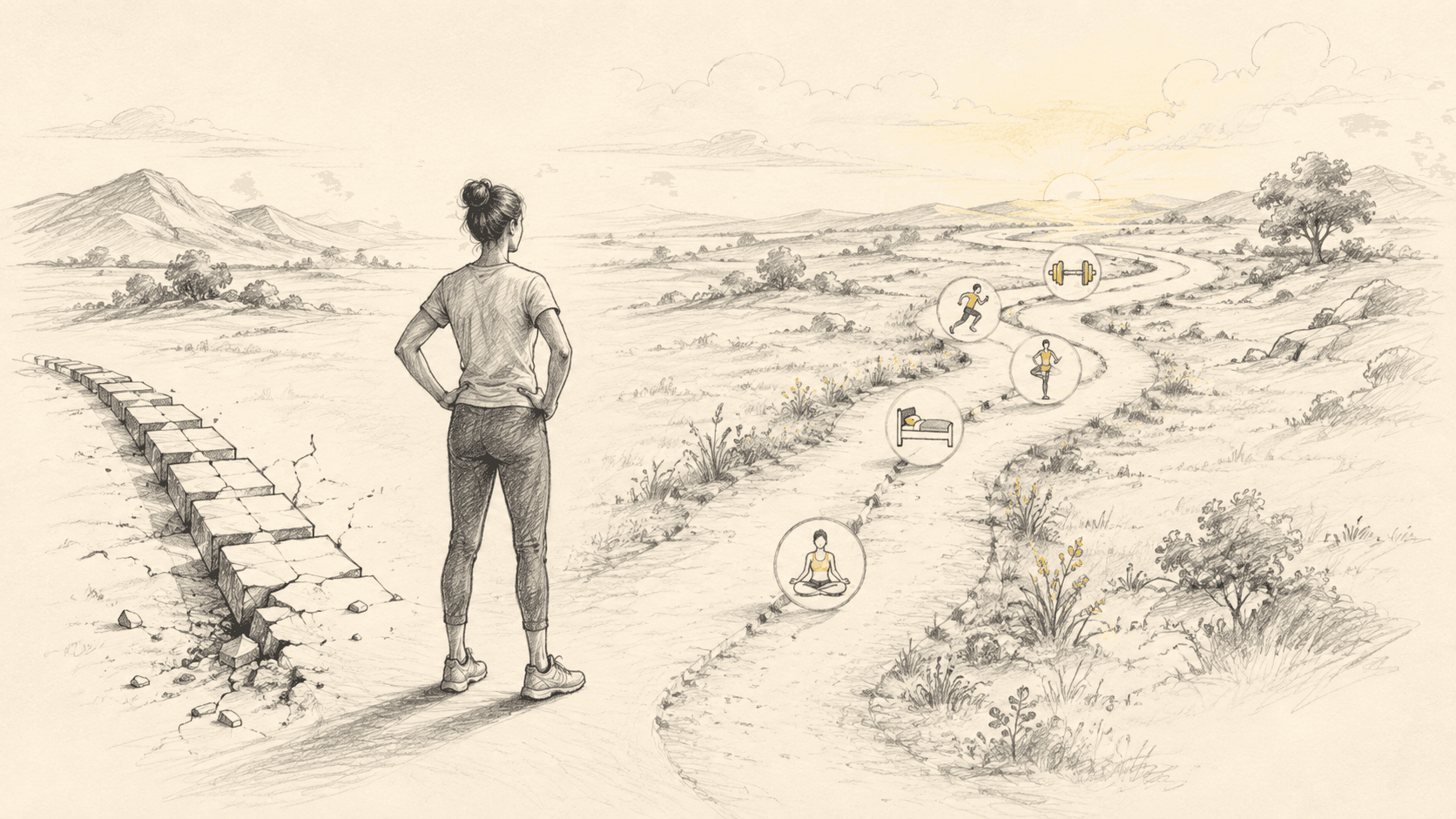
Build strength, aerobic fitness, balance and mobility now so your future self can stay active, capable and independent for decades.
Build strength, aerobic fitness, balance and mobility now so your future self can stay active, capable and independent for decades.
Train for capability, not appearance
At 80, fitness is practical: climbing stairs, carrying shopping, getting up from the floor and walking with confidence. Training today should protect those options by building strength, aerobic fitness, balance and mobility.
No workout can guarantee a longer life, but consistent physical activity can build the capacity that makes later life more active and independent.
The four foundations of longevity fitness
• Strength: train major muscle groups at least twice a week.
• Aerobic fitness: build an easy base with brisk walking, cycling or comfortable Zone 2 cardio.
• Balance and mobility: practise control, single-leg work and useful ranges of motion.
• Intensity: add short, harder efforts only when they suit your fitness and recovery.
NHS guidance for adults aged 65 and over recommends daily activity, at least 150 minutes of moderate exercise or 75 minutes of vigorous exercise each week, plus strength, balance and flexibility work on at least two days.
Consistency beats heroic workouts
If you struggle with consistency, the answer is rarely a more complicated programme. Reduce friction: choose fixed training days, begin with 20–30 minute sessions, progress gradually and leave enough energy to return next week.
The best longevity workout is not the hardest session you can survive. It is the plan you can repeat for years.
A simple week for your future self
Aim for two full-body strength sessions, two or three easy cardio sessions, regular walking and a few minutes of balance or mobility most days. Add one short interval session only if it supports—not disrupts—your recovery.
At VITRO Vitality Games, heart, lungs, strength and control create a clear benchmark for where to start. Train for your next decade, not only your next workout.
If you have been inactive or have a medical condition, speak to a healthcare professional before changing your exercise routine.
Published by VITRO Vitality Games. Educational fitness information only — not medical advice, diagnosis or treatment. If you have a health condition or concern, seek advice from a qualified healthcare professional.
Latest Blogs


Insights
Train Like Your 80-Year-Old Self: A Longevity Fitness Plan
Train Like Your 80-Year-Old Self: A Longevity Fitness Plan
Build strength, aerobic fitness, balance and mobility now so your future self can stay active, capable and independent for decades.
Build strength, aerobic fitness, balance and mobility now so your future self can stay active, capable and independent for decades.
Train for capability, not appearance
At 80, fitness is practical: climbing stairs, carrying shopping, getting up from the floor and walking with confidence. Training today should protect those options by building strength, aerobic fitness, balance and mobility.
No workout can guarantee a longer life, but consistent physical activity can build the capacity that makes later life more active and independent.
The four foundations of longevity fitness
• Strength: train major muscle groups at least twice a week.
• Aerobic fitness: build an easy base with brisk walking, cycling or comfortable Zone 2 cardio.
• Balance and mobility: practise control, single-leg work and useful ranges of motion.
• Intensity: add short, harder efforts only when they suit your fitness and recovery.
NHS guidance for adults aged 65 and over recommends daily activity, at least 150 minutes of moderate exercise or 75 minutes of vigorous exercise each week, plus strength, balance and flexibility work on at least two days.
Consistency beats heroic workouts
If you struggle with consistency, the answer is rarely a more complicated programme. Reduce friction: choose fixed training days, begin with 20–30 minute sessions, progress gradually and leave enough energy to return next week.
The best longevity workout is not the hardest session you can survive. It is the plan you can repeat for years.
A simple week for your future self
Aim for two full-body strength sessions, two or three easy cardio sessions, regular walking and a few minutes of balance or mobility most days. Add one short interval session only if it supports—not disrupts—your recovery.
At VITRO Vitality Games, heart, lungs, strength and control create a clear benchmark for where to start. Train for your next decade, not only your next workout.
If you have been inactive or have a medical condition, speak to a healthcare professional before changing your exercise routine.
Published by VITRO Vitality Games. Educational fitness information only — not medical advice, diagnosis or treatment. If you have a health condition or concern, seek advice from a qualified healthcare professional.
Latest Blogs
Insights
Train Like Your 80-Year-Old Self: A Longevity Fitness Plan
Train Like Your 80-Year-Old Self: A Longevity Fitness Plan
Build strength, aerobic fitness, balance and mobility now so your future self can stay active, capable and independent for decades.
Build strength, aerobic fitness, balance and mobility now so your future self can stay active, capable and independent for decades.
Train for capability, not appearance
At 80, fitness is practical: climbing stairs, carrying shopping, getting up from the floor and walking with confidence. Training today should protect those options by building strength, aerobic fitness, balance and mobility.
No workout can guarantee a longer life, but consistent physical activity can build the capacity that makes later life more active and independent.
The four foundations of longevity fitness
• Strength: train major muscle groups at least twice a week.
• Aerobic fitness: build an easy base with brisk walking, cycling or comfortable Zone 2 cardio.
• Balance and mobility: practise control, single-leg work and useful ranges of motion.
• Intensity: add short, harder efforts only when they suit your fitness and recovery.
NHS guidance for adults aged 65 and over recommends daily activity, at least 150 minutes of moderate exercise or 75 minutes of vigorous exercise each week, plus strength, balance and flexibility work on at least two days.
Consistency beats heroic workouts
If you struggle with consistency, the answer is rarely a more complicated programme. Reduce friction: choose fixed training days, begin with 20–30 minute sessions, progress gradually and leave enough energy to return next week.
The best longevity workout is not the hardest session you can survive. It is the plan you can repeat for years.
A simple week for your future self
Aim for two full-body strength sessions, two or three easy cardio sessions, regular walking and a few minutes of balance or mobility most days. Add one short interval session only if it supports—not disrupts—your recovery.
At VITRO Vitality Games, heart, lungs, strength and control create a clear benchmark for where to start. Train for your next decade, not only your next workout.
If you have been inactive or have a medical condition, speak to a healthcare professional before changing your exercise routine.
Published by VITRO Vitality Games. Educational fitness information only — not medical advice, diagnosis or treatment. If you have a health condition or concern, seek advice from a qualified healthcare professional.