
Insights
When High-Intensity Training Disrupts Fat Loss and Sleep
When High-Intensity Training Disrupts Fat Loss and Sleep
More intensity is not always more progress. Learn how excessive HIIT can affect sleep, recovery and sustainable fat loss—and how to balance your training.
More intensity is not always more progress. Learn how excessive HIIT can affect sleep, recovery and sustainable fat loss—and how to balance your training.
Is HIIT really the problem?
High-intensity interval training (HIIT) can improve cardiovascular fitness and save time. It is not automatically bad for sleep or fat loss. The problem is dose: when every session becomes a maximum-effort workout, recovery can suffer.
Evening exercise does not universally disrupt sleep, but very hard training close to bedtime may leave some people feeling alert, warm or restless. Your timing, training history and personal response all matter.
How poor recovery can slow fat loss
Fat loss still depends mainly on energy balance: consistently using more energy than you consume. However, poor sleep can make that plan harder to follow. Sleep restriction is associated with increased hunger and energy intake, while fatigue can reduce daily movement, training quality and motivation.
If frequent HIIT leaves you sore, wired at night or exhausted the next day, adding more intensity may produce less useful work—not faster results.
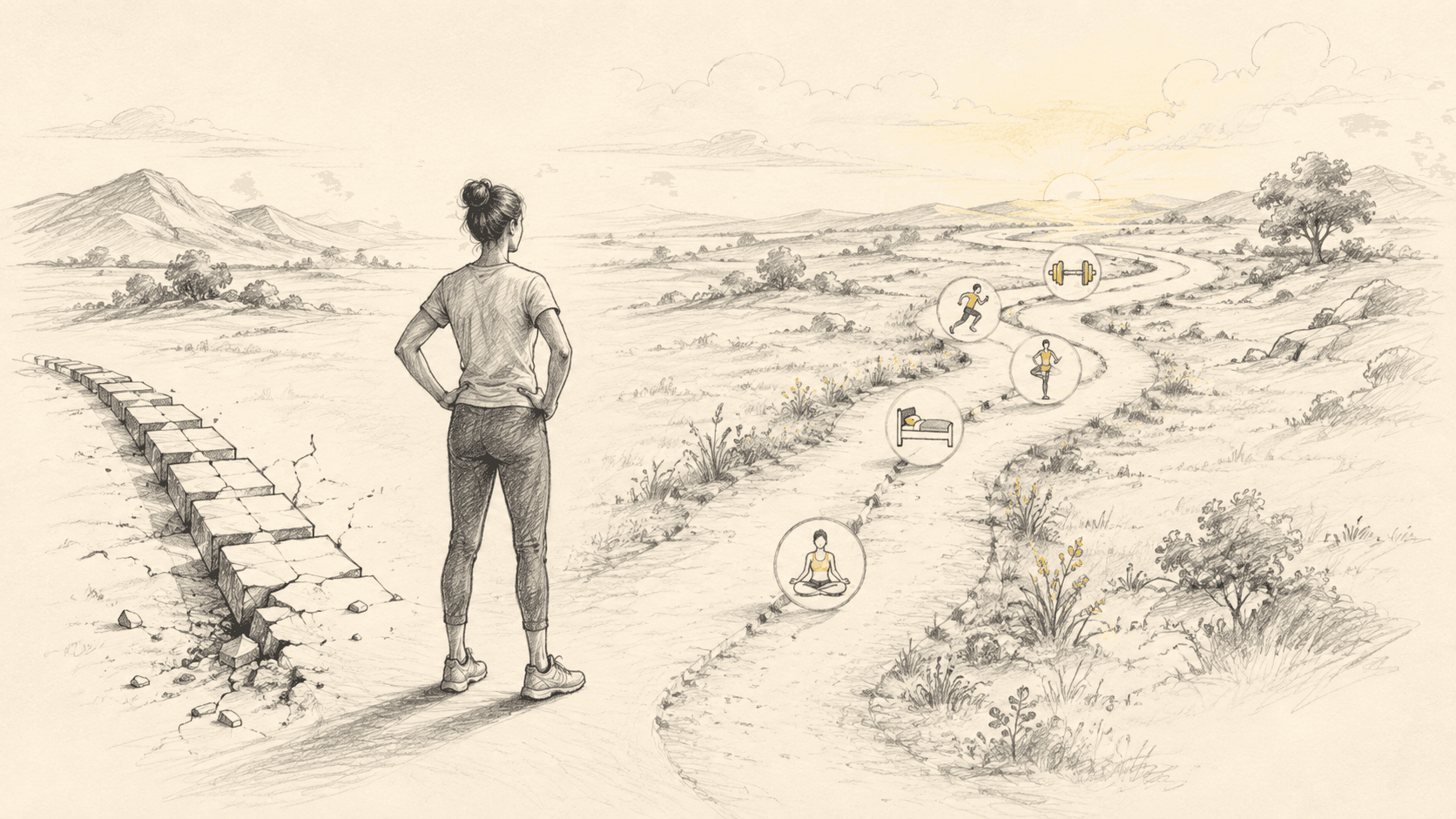
Build a better weekly balance
Use high-intensity training as a tool, not the whole programme:
• Keep HIIT focused and recoverable—often one or two sessions per week is enough for many people, depending on experience and current fitness.
• Build most aerobic volume with walking or comfortable Zone 2 cardio.
• Include strength training at least twice a week.
• If sleep worsens, move your hardest session earlier or further from bedtime.
• Track sleep, energy, appetite and performance—not only calories burned.
NHS guidance recommends either 150 minutes of moderate activity or 75 minutes of vigorous activity each week, plus strengthening work on at least two days. The best plan is one you can recover from and repeat consistently.
The bottom line
HIIT is not killing your progress. Too much poorly timed intensity might. Train hard enough to create an adaptation, then recover well enough to benefit from it.
Better fat-loss training is not about chasing exhaustion. It is about balancing intensity, strength, low-intensity movement, nutrition and sleep.
Published by VITRO Vitality Games. Educational fitness information only — not medical advice, diagnosis or treatment. If you have a health condition or concern, seek advice from a qualified healthcare professional.
Latest Blogs


Insights
When High-Intensity Training Disrupts Fat Loss and Sleep
When High-Intensity Training Disrupts Fat Loss and Sleep
More intensity is not always more progress. Learn how excessive HIIT can affect sleep, recovery and sustainable fat loss—and how to balance your training.
More intensity is not always more progress. Learn how excessive HIIT can affect sleep, recovery and sustainable fat loss—and how to balance your training.
Is HIIT really the problem?
High-intensity interval training (HIIT) can improve cardiovascular fitness and save time. It is not automatically bad for sleep or fat loss. The problem is dose: when every session becomes a maximum-effort workout, recovery can suffer.
Evening exercise does not universally disrupt sleep, but very hard training close to bedtime may leave some people feeling alert, warm or restless. Your timing, training history and personal response all matter.
How poor recovery can slow fat loss
Fat loss still depends mainly on energy balance: consistently using more energy than you consume. However, poor sleep can make that plan harder to follow. Sleep restriction is associated with increased hunger and energy intake, while fatigue can reduce daily movement, training quality and motivation.
If frequent HIIT leaves you sore, wired at night or exhausted the next day, adding more intensity may produce less useful work—not faster results.
Build a better weekly balance
Use high-intensity training as a tool, not the whole programme:
• Keep HIIT focused and recoverable—often one or two sessions per week is enough for many people, depending on experience and current fitness.
• Build most aerobic volume with walking or comfortable Zone 2 cardio.
• Include strength training at least twice a week.
• If sleep worsens, move your hardest session earlier or further from bedtime.
• Track sleep, energy, appetite and performance—not only calories burned.
NHS guidance recommends either 150 minutes of moderate activity or 75 minutes of vigorous activity each week, plus strengthening work on at least two days. The best plan is one you can recover from and repeat consistently.
The bottom line
HIIT is not killing your progress. Too much poorly timed intensity might. Train hard enough to create an adaptation, then recover well enough to benefit from it.
Better fat-loss training is not about chasing exhaustion. It is about balancing intensity, strength, low-intensity movement, nutrition and sleep.
Published by VITRO Vitality Games. Educational fitness information only — not medical advice, diagnosis or treatment. If you have a health condition or concern, seek advice from a qualified healthcare professional.
Latest Blogs
Insights
When High-Intensity Training Disrupts Fat Loss and Sleep
When High-Intensity Training Disrupts Fat Loss and Sleep
More intensity is not always more progress. Learn how excessive HIIT can affect sleep, recovery and sustainable fat loss—and how to balance your training.
More intensity is not always more progress. Learn how excessive HIIT can affect sleep, recovery and sustainable fat loss—and how to balance your training.
Is HIIT really the problem?
High-intensity interval training (HIIT) can improve cardiovascular fitness and save time. It is not automatically bad for sleep or fat loss. The problem is dose: when every session becomes a maximum-effort workout, recovery can suffer.
Evening exercise does not universally disrupt sleep, but very hard training close to bedtime may leave some people feeling alert, warm or restless. Your timing, training history and personal response all matter.
How poor recovery can slow fat loss
Fat loss still depends mainly on energy balance: consistently using more energy than you consume. However, poor sleep can make that plan harder to follow. Sleep restriction is associated with increased hunger and energy intake, while fatigue can reduce daily movement, training quality and motivation.
If frequent HIIT leaves you sore, wired at night or exhausted the next day, adding more intensity may produce less useful work—not faster results.
Build a better weekly balance
Use high-intensity training as a tool, not the whole programme:
• Keep HIIT focused and recoverable—often one or two sessions per week is enough for many people, depending on experience and current fitness.
• Build most aerobic volume with walking or comfortable Zone 2 cardio.
• Include strength training at least twice a week.
• If sleep worsens, move your hardest session earlier or further from bedtime.
• Track sleep, energy, appetite and performance—not only calories burned.
NHS guidance recommends either 150 minutes of moderate activity or 75 minutes of vigorous activity each week, plus strengthening work on at least two days. The best plan is one you can recover from and repeat consistently.
The bottom line
HIIT is not killing your progress. Too much poorly timed intensity might. Train hard enough to create an adaptation, then recover well enough to benefit from it.
Better fat-loss training is not about chasing exhaustion. It is about balancing intensity, strength, low-intensity movement, nutrition and sleep.
Published by VITRO Vitality Games. Educational fitness information only — not medical advice, diagnosis or treatment. If you have a health condition or concern, seek advice from a qualified healthcare professional.