
Insights
Fitness for Longevity: How to Train for Long-Term Capability
Fitness for Longevity: How to Train for Long-Term Capability
Fitness for longevity means training the qualities that help you stay capable over time—not simply chasing appearance or one impressive performance metric.
Fitness for longevity means training the qualities that help you stay capable over time—not simply chasing appearance or one impressive performance metric.
What is fitness for longevity?
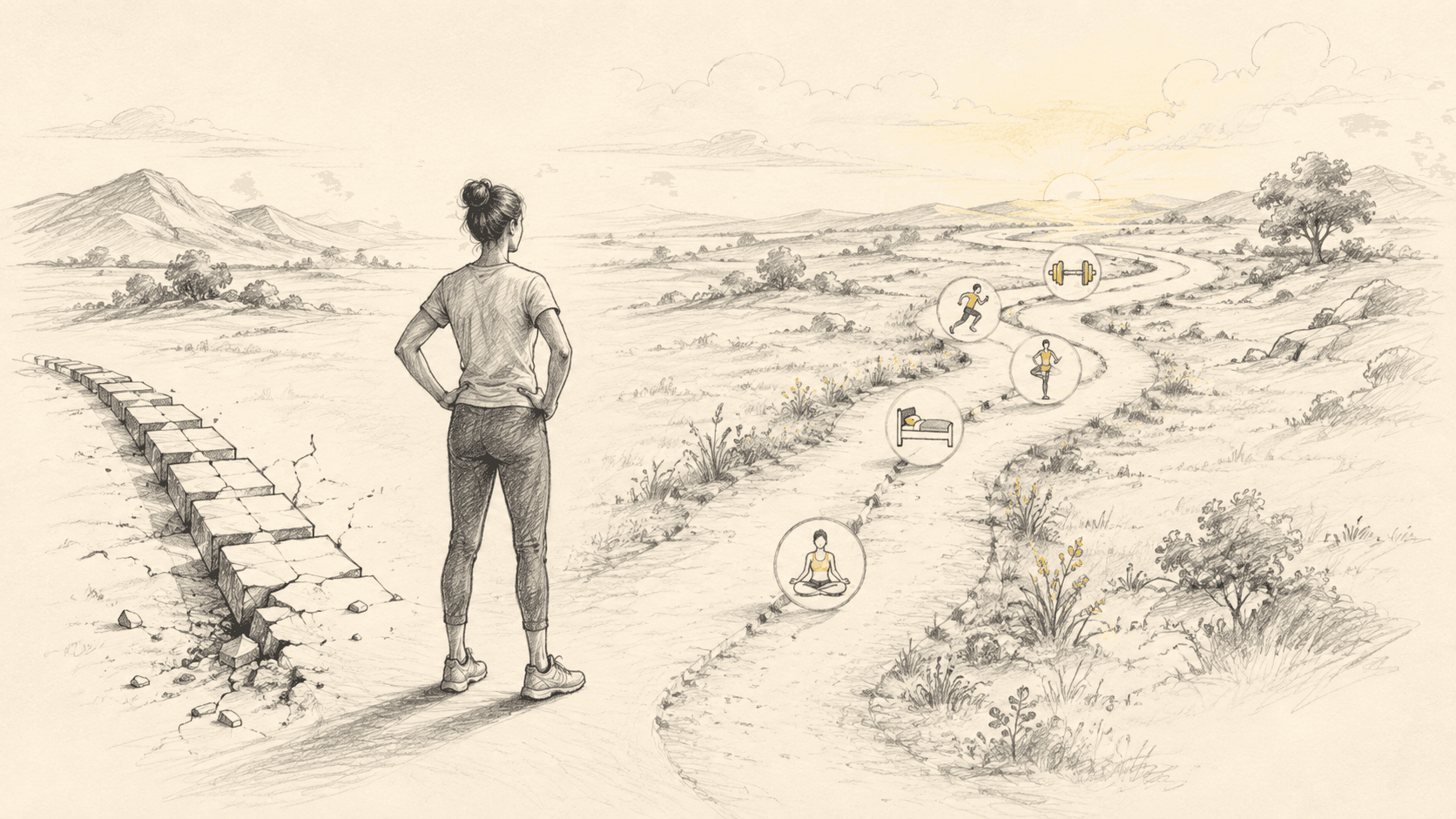
Fitness for longevity means developing the physical qualities that help you remain active, resilient and independent over time. It is broader than looking lean, lifting one impressive weight or completing one fast workout. A useful plan builds your aerobic base, higher-output cardiovascular capacity, strength, power, balance, mobility and recovery together. The aim is durable capability: enough capacity to handle everyday life now and preserve options for the future.
The five qualities to train
Aerobic fitness supports sustained effort and recovery. Shorter, harder intervals develop higher-output capacity when they are appropriate for your level. Strength helps you move, carry and protect your independence, while power trains you to produce force quickly. Balance and control reduce avoidable gaps between strength and movement quality. Mobility and recovery help you train consistently. None of these qualities works alone, so a longevity programme should not become an all-HIIT plan or an endless search for the perfect lift.
A practical weekly framework
Most people can build around two or three full-body strength sessions and two or three cardiovascular sessions each week. Keep most cardio comfortable enough to sustain and add one harder session only if your base, health and recovery support it. Include brief balance and mobility practice several times per week, and leave room for rest, sleep and easy movement. Progress one variable at a time—duration, load, repetitions or difficulty—and use exercise variations you can perform with control. Consistency beats occasional extremes.
Measure, train and retest
Start with a baseline that covers more than one fitness quality. The VITRO Vitality Games uses ten stations and a score out of 100 to show where endurance, cardiovascular output, strength and control stand together. Use the station breakdown to choose one or two priorities, keep the rest ticking over and retest under similar conditions. Your programme should become more specific as your results become clearer. Explore the full longevity fitness framework, understand your Vitality Score and find an upcoming Edenbridge event. If you are new to exercise, returning after illness or managing an injury or health condition, get appropriate professional advice before beginning.
Published by VITRO Vitality Games. Educational fitness information only — not medical advice, diagnosis or treatment. If you have a health condition or concern, seek advice from a qualified healthcare professional.
Latest Blogs


Insights
Fitness for Longevity: How to Train for Long-Term Capability
Fitness for Longevity: How to Train for Long-Term Capability
Fitness for longevity means training the qualities that help you stay capable over time—not simply chasing appearance or one impressive performance metric.
Fitness for longevity means training the qualities that help you stay capable over time—not simply chasing appearance or one impressive performance metric.
What is fitness for longevity?
Fitness for longevity means developing the physical qualities that help you remain active, resilient and independent over time. It is broader than looking lean, lifting one impressive weight or completing one fast workout. A useful plan builds your aerobic base, higher-output cardiovascular capacity, strength, power, balance, mobility and recovery together. The aim is durable capability: enough capacity to handle everyday life now and preserve options for the future.
The five qualities to train
Aerobic fitness supports sustained effort and recovery. Shorter, harder intervals develop higher-output capacity when they are appropriate for your level. Strength helps you move, carry and protect your independence, while power trains you to produce force quickly. Balance and control reduce avoidable gaps between strength and movement quality. Mobility and recovery help you train consistently. None of these qualities works alone, so a longevity programme should not become an all-HIIT plan or an endless search for the perfect lift.
A practical weekly framework
Most people can build around two or three full-body strength sessions and two or three cardiovascular sessions each week. Keep most cardio comfortable enough to sustain and add one harder session only if your base, health and recovery support it. Include brief balance and mobility practice several times per week, and leave room for rest, sleep and easy movement. Progress one variable at a time—duration, load, repetitions or difficulty—and use exercise variations you can perform with control. Consistency beats occasional extremes.
Measure, train and retest
Start with a baseline that covers more than one fitness quality. The VITRO Vitality Games uses ten stations and a score out of 100 to show where endurance, cardiovascular output, strength and control stand together. Use the station breakdown to choose one or two priorities, keep the rest ticking over and retest under similar conditions. Your programme should become more specific as your results become clearer. Explore the full longevity fitness framework, understand your Vitality Score and find an upcoming Edenbridge event. If you are new to exercise, returning after illness or managing an injury or health condition, get appropriate professional advice before beginning.
Published by VITRO Vitality Games. Educational fitness information only — not medical advice, diagnosis or treatment. If you have a health condition or concern, seek advice from a qualified healthcare professional.
Latest Blogs
Insights
Fitness for Longevity: How to Train for Long-Term Capability
Fitness for Longevity: How to Train for Long-Term Capability
Fitness for longevity means training the qualities that help you stay capable over time—not simply chasing appearance or one impressive performance metric.
Fitness for longevity means training the qualities that help you stay capable over time—not simply chasing appearance or one impressive performance metric.
What is fitness for longevity?
Fitness for longevity means developing the physical qualities that help you remain active, resilient and independent over time. It is broader than looking lean, lifting one impressive weight or completing one fast workout. A useful plan builds your aerobic base, higher-output cardiovascular capacity, strength, power, balance, mobility and recovery together. The aim is durable capability: enough capacity to handle everyday life now and preserve options for the future.
The five qualities to train
Aerobic fitness supports sustained effort and recovery. Shorter, harder intervals develop higher-output capacity when they are appropriate for your level. Strength helps you move, carry and protect your independence, while power trains you to produce force quickly. Balance and control reduce avoidable gaps between strength and movement quality. Mobility and recovery help you train consistently. None of these qualities works alone, so a longevity programme should not become an all-HIIT plan or an endless search for the perfect lift.
A practical weekly framework
Most people can build around two or three full-body strength sessions and two or three cardiovascular sessions each week. Keep most cardio comfortable enough to sustain and add one harder session only if your base, health and recovery support it. Include brief balance and mobility practice several times per week, and leave room for rest, sleep and easy movement. Progress one variable at a time—duration, load, repetitions or difficulty—and use exercise variations you can perform with control. Consistency beats occasional extremes.
Measure, train and retest
Start with a baseline that covers more than one fitness quality. The VITRO Vitality Games uses ten stations and a score out of 100 to show where endurance, cardiovascular output, strength and control stand together. Use the station breakdown to choose one or two priorities, keep the rest ticking over and retest under similar conditions. Your programme should become more specific as your results become clearer. Explore the full longevity fitness framework, understand your Vitality Score and find an upcoming Edenbridge event. If you are new to exercise, returning after illness or managing an injury or health condition, get appropriate professional advice before beginning.
Published by VITRO Vitality Games. Educational fitness information only — not medical advice, diagnosis or treatment. If you have a health condition or concern, seek advice from a qualified healthcare professional.